
What you should know about Fillings
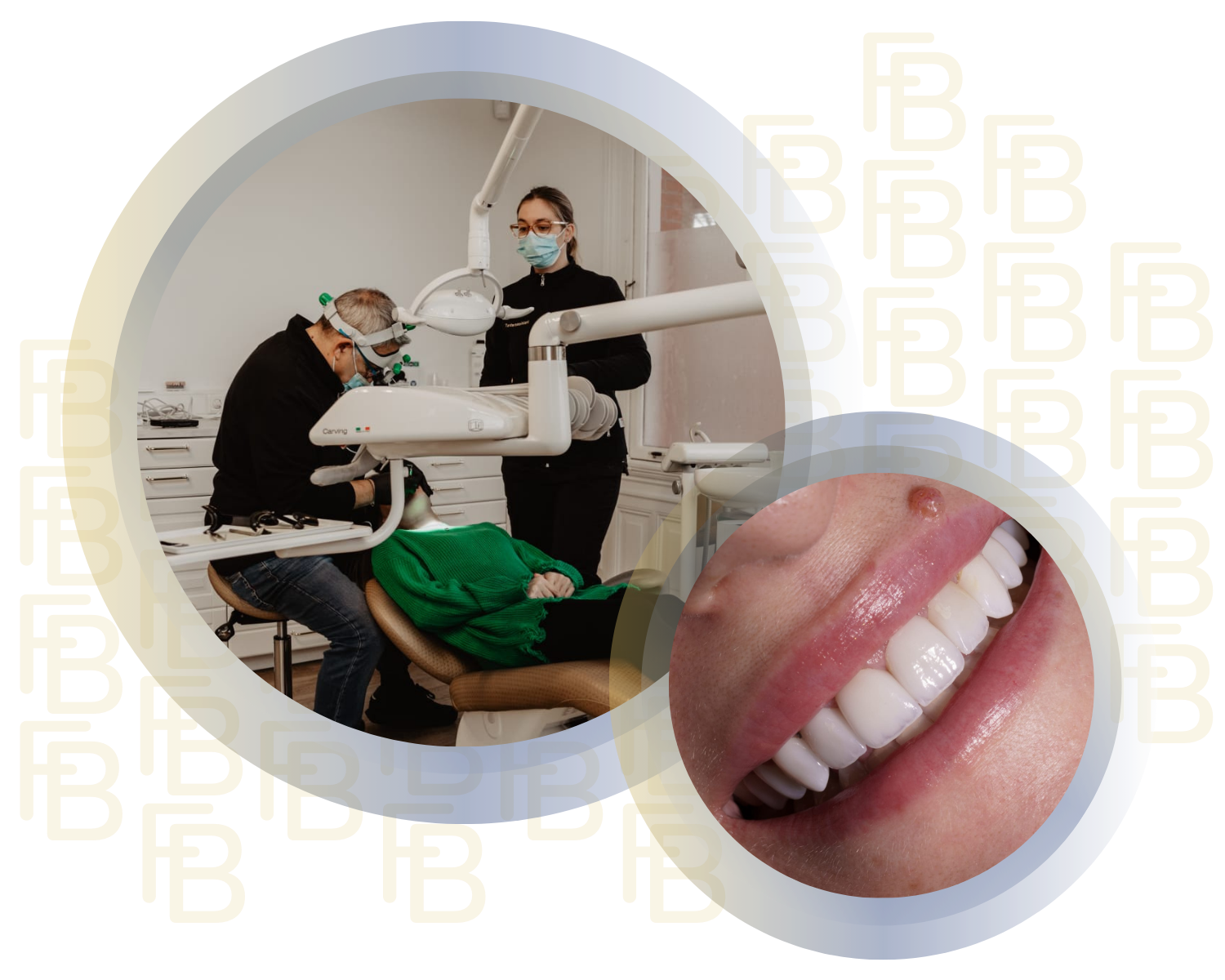
We employ professionals in cosmetic dentistry. We restore the form and function of a tooth affected by decay using polymer fillings and inlays. For this, we use modern Japanese and Italian materials that are considered the best in the world in terms of aesthetics and quality. The need for filling the tooth is determined by the doctor after an examination of the oral cavity and, in some cases, an x-ray. The procedure includes removing the affected part of the tooth, cleaning the area and filling it with the appropriate material. The fillings on the molars repeat the relief of natural enamel, and in the smile area the cut edges of the tooth are transparent. They do not change color and last for years.

Types of Fillings
Photopolymer or lightweight fillings are made of plastic, fill the affected area of the tooth with microscopic precision, are easy to shape and form a physiological relief. With a variety of shades of material, you can choose a color that is absolutely identical to the original enamel. Since the filling is made in several layers, it is possible to adjust its transparency, which is necessary in the case of front teeth. Polymer fillings harden only under the influence of ultraviolet rays, so the dentist has enough time to give the necessary shape. Photocomposite fillings are firmly attached to the tooth with an adhesive, so their lifespan is not limited. The color of such fillings does not change over the years and they are completely safe for the body in terms of chemical composition.
If more than 50% of the tooth is affected, there is a risk that when it is repaired with polymeric materials, a thin wall of natural enamel will eventually crack, unable to withstand the load. In this case, we recommend a filling with zirconium inlays. The process of making such an inlay is similar to the technique of making zirconium crowns, only that in this case not only the external shape of the tooth is modeled, but also the internal relief. At the first visit, the doctor cleans the affected area, takes photos with a digital scanner and places a temporary filling, and the photo is sent to the Italian laboratory to make the inlay. At the second appointment, the inlay is bonded to the tooth – it exactly replicates the color and shape of a natural tooth and, most importantly, resists chewing.
Signs of a modern high quality filling
- Imitation of the anatomical shape of the tooth. That is, it is not a flat spot, but a relief surface imitating slots, which are intended for grinding food.
- There is no perceptible difference between your own enamel and the filling material.
- The dental floss passes between the teeth with light pressure.
- You cannot find the boundary between the filling and your tooth.
- There is no discomfort or discomfort after the treatment.
- The tissues surrounding the restored tooth are not damaged.