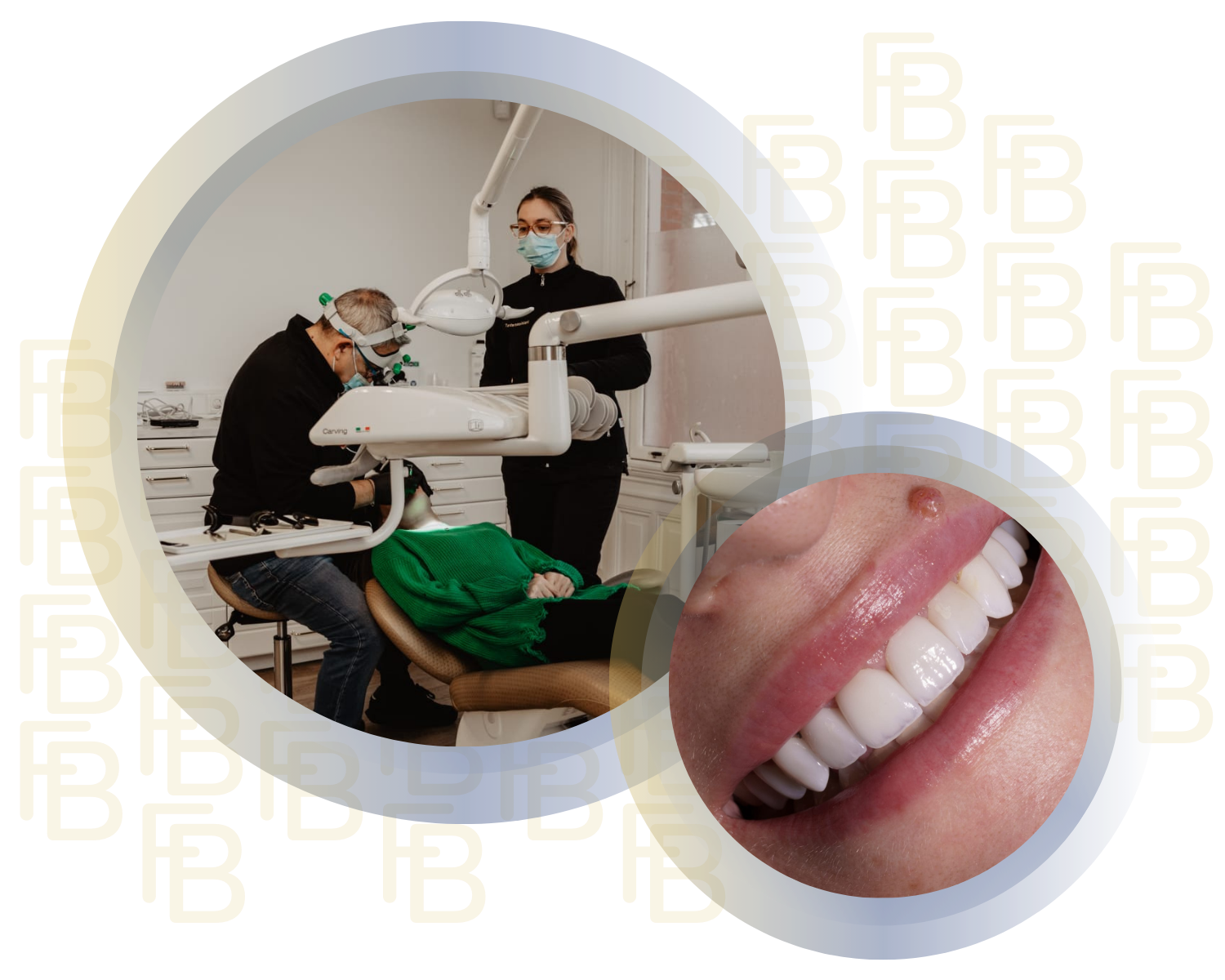

What you should know about Tooth Extractions
Tooth extraction is a radical solution, which is applied only when therapeutic methods are not effective or have orthodontic indications. Emergency tooth extraction is used in cases of suppurative inflammation, fracture of the crown or root of the tooth, and acute pain that cannot be relieved by medications. There are many reasons for scheduled tooth extraction, including wisdom teeth, advanced tooth decay, pulpitis and others. We tackle the most difficult cases and perform the procedure for the patient as quickly and comfortably as possible.

Oral Surgery
Types of anesthesia
The type of anesthesia to be used for tooth extraction is considered and decided on a case-by-case basis. For simple operations, local anesthetics injected into the gums are sufficient. They remove sensitivity in the intervention area. Simple types of extirpation include the extraction of front teeth. They have a single root and are easily dislodged with pliers.
If you are having a difficult operation or if you have a strong fear of treatment, we use general anesthesia – inhalation anesthesia, sedation with nitric oxide or administration of drugs through a vein. General anesthesia is performed by an anesthesiologist from a partner clinic.
How do you prepare for a tooth extraction?
Please inform us if you are taking any medicines. The use does not have to be stopped, but we would like to know about it. Alcohol, even in small doses, should not be consumed before the operation. Your body should not be overheated, so it is better not to take a hot bath or visit the sauna. It is also recommended to skip sports before the operation. It is important that you eat enough before the operation. This gives your body more opportunity to recover and reduce sensitivity. If you are very scared, bring someone from your family with you. Be sure to tell us about your fears. Remember that a tooth extraction procedure is not considered a difficult operation, the most pain you will feel is an anesthetic injection.
Contraindications
The tooth extraction procedure should be postponed in case of aggravation due to chronic diseases, if there are signs of cold or inflammation. Surgical procedures are contraindicated in women during menstruation and in the 1st and 3rd semester of pregnancy.
Care tips
When the anesthesia wears off, the tooth extraction area begins to hurt. 1-2 hours of bleeding after the operation is considered normal, if the bleeding does not stop after 2 hours – please contact us.
After tooth extraction, you may also experience swelling, redness around the socket or even on the cheeks, a feeling of warmth or a slight increase in body temperature, or pain when opening your mouth. These symptoms should disappear within a week. If the pain persists, please let us know.
Follow these simple rules to speed up the healing process:
– Don't eat anything hot during the day, don't drink alcohol and don't smoke;
– Leaves the blood clot in the hole, protects the operated area from bacteria;
– Do not touch the site of the extracted tooth with your tongue, hands or other objects;
– If food gets into the hole, rinse your mouth carefully.